

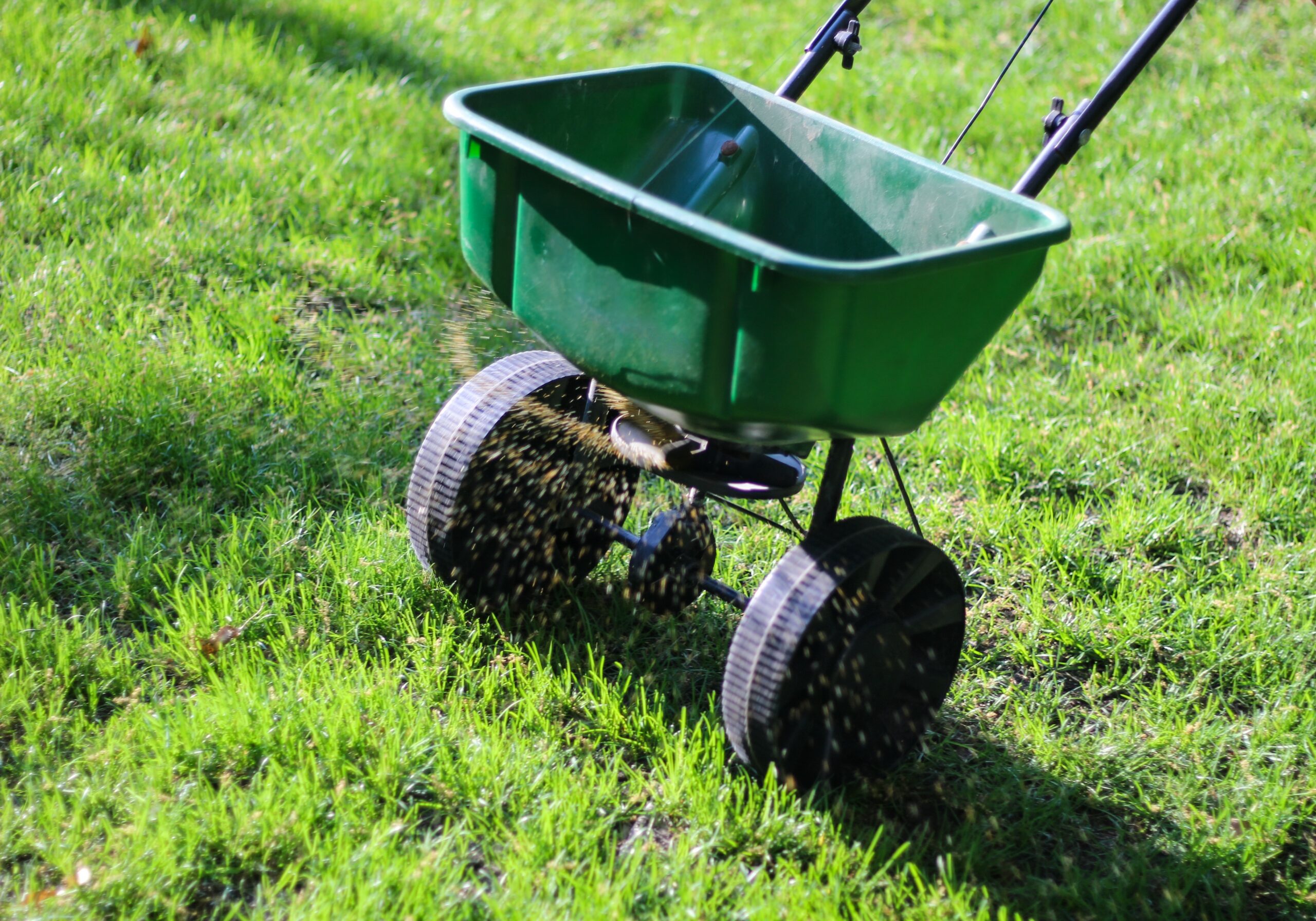
Fertilizer Price Fixing Case Explained
The NPK Fertilizer Antitrust Litigation: What Farmers, Landscapers, Nurseries, and Garden Supply Businesses Need to Know!
Fertilizer Antitrust Lawsuit: What Fertilizer Purchasers Need to Know
If your business purchased significant volumes of nitrogen, phosphate, potash, or blended NPK fertilizer on or after January 1, 2020, a wave of federal antitrust litigation may affect your legal and financial rights.
This includes not only row-crop farmers, but also landscaping companies, plant nurseries, greenhouses, garden centers, farm supply stores, turf and sod businesses, golf course management companies, and other substantial fertilizer purchasers.
The lawsuits allege that some of the largest fertilizer manufacturers and related industry participants took part in an unlawful scheme to raise, fix, maintain, or stabilize fertilizer prices. These allegations have not been proven in court, and the defendants are denying the claims.
The litigation nonetheless raises serious questions about concentration in the fertilizer industry, the pricing of essential crop inputs, and whether farmers and other fertilizer purchasers paid artificially inflated prices for products they depend on to operate.
This Litigation Is Not Just About Row-Crop Farmers
Most of the public conversation around fertilizer price-fixing has focused on large agricultural operations. But nitrogen, phosphate, and potash fertilizers move through a much wider supply chain than that.
Landscaping companies, nurseries, garden centers, farm supply retailers, and turf businesses across the country routinely purchase substantial volumes of the NPK fertilizer products at the center of this litigation. Many of these businesses buy fertilizer through distributors, co-ops, retailers, or supply companies rather than directly from a manufacturer.
That distinction matters legally, but it does not mean these businesses have no potential claim. It means the claim must be evaluated differently. If your business has spent meaningful money on fertilizer products since 2020, it may be worth finding out where you stand before key deadlines narrow your options.
What Is the NPK Fertilizer Antitrust Litigation?
The litigation concerns nitrogen, phosphate, and potash fertilizers, often referred to collectively as NPK fertilizers. These products are essential to modern farming, landscaping, nursery operations, turf management, and other agricultural and plant-related businesses.
Farmers rely on fertilizer to replenish soil nutrients, maintain crop yields, and produce corn, soybeans, cotton, rice, wheat, and other crops. Landscapers, nurseries, and garden supply businesses also depend on fertilizer products for commercial, residential, wholesale, retail, and institutional operations.
A number of federal antitrust lawsuits allege that major fertilizer manufacturers and related entities coordinated to suppress supply and inflate NPK fertilizer prices nationwide. These cases have been centralized as In re NPK Fertilizer Antitrust Litigation, MDL No. 3187, in the United States District Court for the District of Kansas.
The lawsuits include allegations involving major industry participants, including:
- Nutrien
- Mosaic
- CF Industries
- Koch fertilizer entities
- Yara
- Canpotex
- The Fertilizer Institute
- The International Fertilizer Association
The lawsuits also discuss other alleged co-conspirators and industry participants. The specific defendants and claims may vary by complaint.
What Do the Fertilizer Lawsuits Allege?
The lawsuits allege that, beginning no later than January 2020, major fertilizer manufacturers and alleged co-conspirators entered into an agreement to limit supply and keep fertilizer prices at artificially high levels.
The central allegation is that fertilizer prices did not behave as they would in a competitive market. According to the complaints, fertilizer prices rose dramatically beginning in 2021 and remained elevated even after some of the commonly cited explanations began to ease, including:
- Supply-chain disruptions
- Natural gas prices
- COVID-related market issues
- Export restrictions
- The war in Ukraine
- Other global market disruptions
The complaints allege that fertilizer prices rose sharply during global disruptions but did not fall in the same way after market conditions stabilized. They also allege that manufacturer profit margins increased substantially while farmers and other purchasers faced high fertilizer costs and declining net farm income.
In practical terms, the lawsuits allege that fertilizer purchasers may have paid more than they would have paid in a truly competitive market.
The Alleged Overcharge
In an antitrust case, the alleged injury is often called an overcharge.
The overcharge is the difference between:
- The price a purchaser actually paid for fertilizer; and
- The lower price the purchaser allegedly would have paid in a competitive market.
If the allegations are proven, farmers and other fertilizer purchasers may seek compensation for those alleged overcharges. For large-volume purchasers, the potential overcharge can be significant because fertilizer is often one of the largest annual input costs.
Why Fertilizer Prices Matter
Fertilizer is not a luxury item for most agricultural and plant-related businesses. It is a core operating expense. Higher fertilizer prices can affect:
- Crop-year budgets
- Operating loans
- Cash flow
- Planting decisions
- Landscaping contracts
- Nursery inventory costs
- Retail fertilizer pricing
- Farm and garden supply margins
- Golf course and turf management budgets
- Profitability and long-term business planning
Because fertilizer is often necessary for production, many purchasers have limited ability to avoid buying it when prices rise.
Direct Purchasers vs. Indirect Purchasers: Why It Matters
One of the first questions in evaluating a potential fertilizer antitrust claim is whether the purchaser bought fertilizer directly from a manufacturer defendant or indirectly through a distributor, co-op, retailer, or supplier. This distinction matters because federal antitrust law treats direct and indirect purchasers differently.
Under the U.S. Supreme Court’s Illinois Brick rule, generally only purchasers who bought directly from an alleged antitrust violator can recover damages under federal antitrust law. A farmer or business that purchased fertilizer directly from a manufacturer defendant may have a different legal path than a business that purchased through a dealer, distributor, retailer, or co-op.
Many Mississippi landscapers, nurseries, garden centers, farm supply retailers, and even farming operations may be indirect purchasers. That does not automatically mean they have no claim. It means their rights may depend on state antitrust law, the structure of their purchases, the identity of the seller, and the specific facts of their purchasing history.
Mississippi law may provide a path to recovery for certain indirect purchasers, but the analysis depends on the facts. Nothing on this page should be read as confirming that any particular farmer or business qualifies for recovery. Purchaser status must be evaluated individually.
Are Landscapers, Nurseries, Garden Centers, and Supply Stores Affected?
Possibly, yes.
This litigation may be relevant to more than traditional row-crop agriculture. Your business may need an evaluation if it purchased substantial fertilizer products since January 1, 2020 and fits into one of these categories:
- A row-crop farm or farming operation
- A landscaping or lawn care company
- A plant nursery or greenhouse operation
- A garden center
- A farm and ranch supply retailer
- A fertilizer retailer or reseller
- A turf, sod, or golf course management business
- A commercial or municipal grounds-management business
- A business that purchased bulk fertilizer for resale, blending, bagging, or application
- A Mississippi business that bought fertilizer through a distributor, co-op, retailer, or supplier
If your fertilizer purchases were substantial and well documented, it may be worth having those purchases evaluated even if you believe you bought indirectly.
What Fertilizer Products Are Involved?
Potential claims may involve purchases of nitrogen, phosphate, potash, or blended NPK fertilizer products, including:
- Anhydrous ammonia
- Urea
- UAN
- Nitrates
- Phosphate fertilizer
- Potash
- Blended fertilizer
- Bulk fertilizer products
- Commercial fertilizer products used in farming, landscaping, turf, nursery, or retail supply operations
Purchases from January 1, 2020 forward may be relevant.
Class Action vs. Individual Fertilizer Claims
Some purchasers may remain part of a class action if a class is certified. Others may prefer to evaluate whether an individual lawsuit or individual claim makes sense. The right path depends on several factors, including:
- The amount spent on fertilizer
- Whether purchases were direct or indirect
- The quality of the purchaser’s records
- Whether the purchaser wants control over the claim
- The potential value of the claim
- Whether a class action, individual action, or state-law claim is the better fit
What Is a Class Action?
A class action is a lawsuit in which one or more named plaintiffs pursue claims on behalf of a larger group of similarly situated people or businesses. If a class is certified, class members are usually represented by court-appointed class counsel. They typically do not control litigation strategy or settlement decisions. If a settlement is approved, recovery is often distributed by formula after court-approved fees, costs, and expenses are deducted.
For many smaller purchasers, a class action may be the most practical way to pursue recovery.
What Is an MDL?
MDL stands for multidistrict litigation. An MDL is a procedural tool used to coordinate related federal lawsuits pending in different courts. The cases are transferred to one judge for coordinated pretrial proceedings. The cases do not necessarily merge into one claim. Individual cases may keep their own identity, their own clients, and their own counsel.
An MDL can include both class-action claims and individual lawsuits. Large purchasers sometimes file individual cases or “direct actions” while related class claims proceed in the same MDL.
Why a Substantial Purchaser May Prefer an Individual Action
For a substantial fertilizer purchaser, an individual action may offer several potential advantages, allowing the purchaser to:
- Select its own counsel
- Control litigation strategy
- Decide whether to accept or reject settlement offers
- Seek recovery tied more closely to its own actual damages
- Avoid releasing a large claim for a small pro-rata class distribution
- Pursue available state-law claims where appropriate
- Preserve leverage as a significant purchaser
- Evaluate settlement independently
This does not mean an individual action is right for everyone. For many smaller purchasers, remaining in a class may be the better or only practical option. But for larger farms, substantial landscaping companies, nurseries, supply retailers, and other high-volume purchasers, an individual evaluation may be important before rights are released or deadlines pass.
When Remaining in a Class May Make Sense
The class-action process exists for a reason. For many purchasers, it may be the most efficient path. Remaining in a class may make sense where:
- Individual damages are modest
- Standalone litigation would not be economical
- The purchaser prefers a passive role
- The purchaser does not want to select separate counsel
- The cost and complexity of individual litigation would outweigh the likely recovery
The key question is whether the purchaser’s claim is large enough, well documented enough, and legally positioned in a way that makes an individual claim worth considering.
Why Timing Matters
These decisions can be time sensitive. Antitrust claims are subject to statutes of limitations.
The filing of a proposed class action may toll limitations periods for absent class members under some circumstances, but that protection has limits and should not be relied upon without legal advice.
Timing may also matter because of class certification, settlement approval, and opt-out deadlines. If a class is certified and later settles, a purchaser who does not timely opt out may lose or substantially diminish the opportunity to pursue a separate claim. Evaluating your position early may help preserve your full range of options.
What Records Should Fertilizer Purchasers Preserve?
Farmers and businesses should preserve documents that may show fertilizer purchases, pricing, volumes, suppliers, and product types. Helpful records may include:
- Fertilizer invoices
- Purchase orders
- Delivery tickets
- Supplier statements
- Crop-year budgets
- Farm operating loan documents
- Landscaping supply records
- Nursery or greenhouse purchase records
- Retail fertilizer purchase records
- Co-op account statements
- Pricing quotes
- Supplier communications
- Accounting records
- Tax records showing fertilizer input expenses
- Records showing nitrogen, phosphate, potash, or blended fertilizer purchases
- Records identifying whether purchases were made directly from a manufacturer or through a distributor, co-op, retailer, or supplier
The more complete the records, the easier it may be to evaluate whether a claim exists and whether an individual claim makes economic sense.
Have the Allegations Been Proven?
No.
The allegations discussed on this page have not been proven in court. The defendants are expected to deny wrongdoing and raise legal and factual defenses. A lawsuit is only an allegation unless and until the claims are proven through the legal process.
Nothing on this page should be read as a conclusion that any defendant violated the law or that any particular purchaser has a valid claim.
How Roberts Wilson, P.A. Can Help
Roberts Wilson, P.A. is available to assist Mississippi purchasers in evaluating whether a fertilizer antitrust claim makes sense for them. We are reviewing potential claims for:
- Farmers
- Farming operations
- Landscaping companies
- Plant nurseries
- Greenhouses
- Garden centers
- Farm and ranch supply retailers
- Turf and sod businesses
- Golf course management companies
- Other substantial fertilizer purchasers
We can help review your situation, determine whether you appear to be a direct or indirect purchaser, estimate the potential scale of your claim, and explain your options. Those options may include remaining in a class action, pursuing an individual claim, or evaluating available Mississippi state-law remedies.
The initial review is free and confidential. There is no obligation.
Individual claims we handle are on a contingency-fee basis, plus costs, meaning you owe no attorneys’ fee unless there is a recovery.
Request a Free, Confidential Evaluation
If your Mississippi farm or business purchased substantial quantities of fertilizer from January 1, 2020 to the present, it may be worth finding out where you stand.
To make the most of a free evaluation, it helps to gather:
- Purchase records and invoices for NPK fertilizer from January 1, 2020 to the present
- Approximate volumes and dollar amounts by product and year
- The names of suppliers, retailers, co-ops, distributors, or manufacturers you purchased from
- Any records showing whether you bought directly from a manufacturer or indirectly through another seller
Call Roberts Wilson, P.A. at 662.533.9111 or email [email protected] to speak with our office.
Roberts Wilson, P.A.
2606 West Oxford Loop
Oxford, Mississippi 38655
WeGetJustice.com
Frequently Asked Questions
What is the fertilizer antitrust lawsuit about?
The lawsuits allege that major fertilizer manufacturers and related entities participated in a scheme to raise, fix, maintain, or stabilize fertilizer prices. The litigation concerns nitrogen, phosphate, potash, and blended NPK fertilizer products.
What are NPK fertilizers?
NPK refers to nitrogen, phosphorus, and potassium. These are primary nutrients used in many fertilizer products. Farmers, landscapers, nurseries, turf businesses, and garden supply companies rely on NPK fertilizers to maintain soil fertility, plant health, and crop or landscape productivity.
Who may have a potential claim?
Potentially affected purchasers may include farmers, farming operations, agricultural cooperatives, landscaping companies, plant nurseries, greenhouses, garden centers, farm supply stores, turf businesses, sod operations, golf course management companies, and other businesses that purchased substantial fertilizer products from 2020 forward.
Does this only apply to farmers?
No. Although farmers are a major focus of the litigation, the same fertilizer products may have been purchased by landscapers, nurseries, garden centers, turf companies, farm supply stores, and other businesses.
What is the difference between a direct and indirect purchaser?
A direct purchaser generally bought directly from a manufacturer defendant. An indirect purchaser bought through another seller, such as a distributor, retailer, dealer, supplier, or co-op. This distinction can affect which legal remedies may be available.
Can indirect purchasers have claims?
Possibly. Indirect purchasers generally face limits under federal antitrust law, but state law may provide potential remedies depending on the state and the facts. Mississippi purchasers should have their specific purchase history evaluated before assuming they do or do not have a claim.
What damages may be available?
Depending on the facts and the legal theory, potential damages may include alleged overcharges, treble damages under federal antitrust law for qualifying direct purchasers, attorneys’ fees, costs, and injunctive relief. State-law remedies may differ.
Do I need my fertilizer invoices?
Invoices are very helpful. You should preserve invoices, delivery tickets, supplier statements, co-op records, financing records, crop-year budgets, accounting records, and any documents showing fertilizer purchases, product types, volumes, and prices.
Should I stay in a class action or pursue an individual claim?
That depends on your purchase volume, damages, records, purchaser status, and goals. Smaller purchasers may be better suited for a class action. Larger purchasers with substantial, documented fertilizer purchases may want to evaluate whether an individual claim makes more sense.
Have the allegations been proven?
No. The allegations have not been proven in court. The defendants have or are expected to deny wrongdoing and raise legal and factual defenses.
Free, Confidential, Obligation Initial Consultation and Claim Review
It Won’t cost you anything to see if we can help!
Call Roberts Wilson at 662.533.9111 or email [email protected] to speak with our office.
Roberts Wilson, P.A.
2606 West Oxford Loop
Oxford, Mississippi 38655
WeGetJustice.com